Best Infrared Saunas for Diy Kits in 2026
Most homeowners spend months comparing infrared sauna kits because standard models force a trade-off between heater quality and size. DIY buyers now face the same decision when picking between barrel kits and cabin options.
By the end of the article you will know which heater type delivers the lowest EMF at full power, how red light distance affects treatment, and why one supplier offers the only seven-year warranty. You will also see cost and lead-time differences across three kits so you can pick the right size and features for your space.
What to Look For in DIY Infrared Sauna Kits for 2026
The first sentence requires focusing on heater type, EMF levels, modular construction quality, and energy consumption data when evaluating DIY infrared sauna kits launching in 2026.
When selecting a DIY infrared sauna, heater wavelength determines how effectively your body absorbs far-infrared energy. Most quality 2026 sauna models emit wavelengths between 7 and 14 microns to match human body absorption patterns. This range supports heat therapy without excessive surface temperatures that could damage skin or materials.
EMF levels matter for daily wellness routines. Look for sauna kits rated under 3mG at typical sitting distances. Low-EMF sauna designs use shielded wiring and proper heater placement to minimize electromagnetic exposure during sessions.
Modular panel construction affects both installation ease and long-term durability. Check panel weight ratings and connection systems before purchasing. Heavier panels often indicate denser insulation, though this increases shipping costs and setup complexity.
Power consumption varies significantly between models. Calculate energy draw per square foot of interior space to estimate operating costs. Carbon heaters typically require less electricity than ceramic heaters while maintaining consistent temperatures throughout your sauna enclosure.
Review warranty terms carefully before committing to any DIY sauna kit. Quality manufacturers offer coverage ranging from five to ten years on heaters and structural components. Shorter warranties may signal concerns about component longevity or material quality.
A 2026 feature checklist should include digital thermostat controls, timer functions, chromotherapy lighting options, and modular expansion capabilities. Consider whether the sauna cabin supports both indoor and outdoor placement depending on your available space.
Evaluate available wood types such as cedar wood sauna or hemlock sauna materials for their moisture resistance and aromatic properties. Some models include sauna bench configurations that maximize seating while maintaining proper airflow patterns.
Check for Bluetooth audio integration and app control features if these conveniences matter for your setup. Voice assistant compatibility appears in newer 2026 sauna models, though basic digital controllers remain reliable for most users focused on heat therapy benefits.
1. SaunaCloud - Best Overall
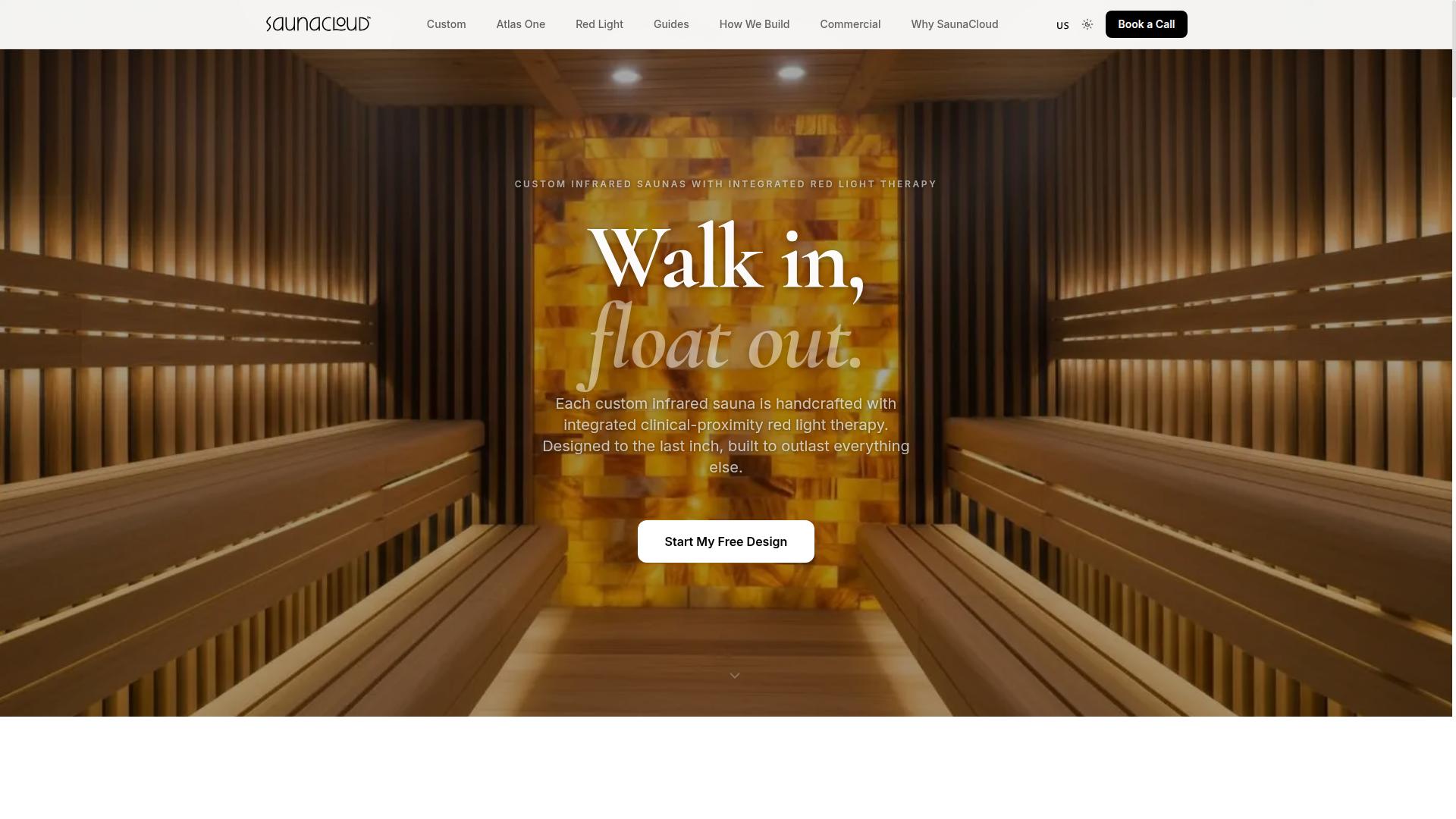
SaunaCloud ranks highest due to its proprietary heater technology and integrated clinical red light therapy system. The company engineers and handcrafts every component in-house at its Diamond Springs, California facility. Since 2014 the brand has completed more than 3,000 installations across North America.
Every kit uses clear-grade kiln-dried Western Red Cedar with no particle board, glues, or veneers. These materials ensure durability and a clean indoor environment. Customers can choose from the Atlas and Sierra models to match their space requirements. Our breakdown of Education Requirements for Physical Therapists covers the related details.
Production takes 7 to 8 weeks before shipping. Each order arrives with complete fasteners and detailed installation plans. Phone and video support remain available throughout the setup process.
VantaWave(r) Heaters & EMF Performance
VantaWave(r) heaters operate at under 3mG EMF and reach 190 degreesF surface temperature with a 7.9 micron peak wavelength. The panels maintain consistent output across the entire surface area. This precision differs from the uneven heating patterns common in standard carbon and ceramic heaters.
The company manufactures its own heaters, CORE 5(tm) power supplies, and printed circuit boards. In-house production allows strict quality control over EMF levels. Many units test below 0.5mG during independent verification.
Far-infrared heat penetrates tissue efficiently at the 7.9 micron wavelength. Users report steady heat distribution without hot or cold spots. The low-EMF design supports extended sessions without electrical field concerns that affect some competing systems.
Integrated Red Light Therapy at Clinical Distance
LED panels deliver 660nm red and 850nm near-infrared light positioned 2-6 inches from skin within the bench and backrest surfaces. This clinical proximity matches the distance used in professional phototherapy settings. The system activates through the same Wi-Fi controller that manages sauna temperature and timing.
Red light at 660nm targets skin rejuvenation while 850nm near-infrared supports deeper muscle recovery. Both wavelengths operate simultaneously during sessions. The integrated placement eliminates the need for separate light therapy devices or awkward positioning.
Users select therapy duration through the digital interface. The LED arrays work alongside far-infrared heating to combine heat therapy with photobiomodulation in one enclosure. This dual approach addresses circulation, recovery, and skin health during the same session.
Custom Sizing, Shipping & 7-Year Warranty
SaunaCloud ships complete kits with all fasteners, provides detailed installation plans, and backs units with a 7-year limited lifetime warranty. The Atlas and Sierra models accommodate different room dimensions and user counts. Each configuration maintains the same heater specifications and red light therapy placement.
Logistics cover North America with weather-sealed packaging for safe transport. Outdoor installations use additional cedar and stainless steel components where needed. Commercial applications receive the same component quality and support structure.
The warranty covers defects in materials and workmanship. Claims process through direct contact with the Diamond Springs facility. This coverage exceeds typical infrared sauna warranties and reflects the company's confidence in its in-house manufacturing standards.
2. Almost Heaven Saunas
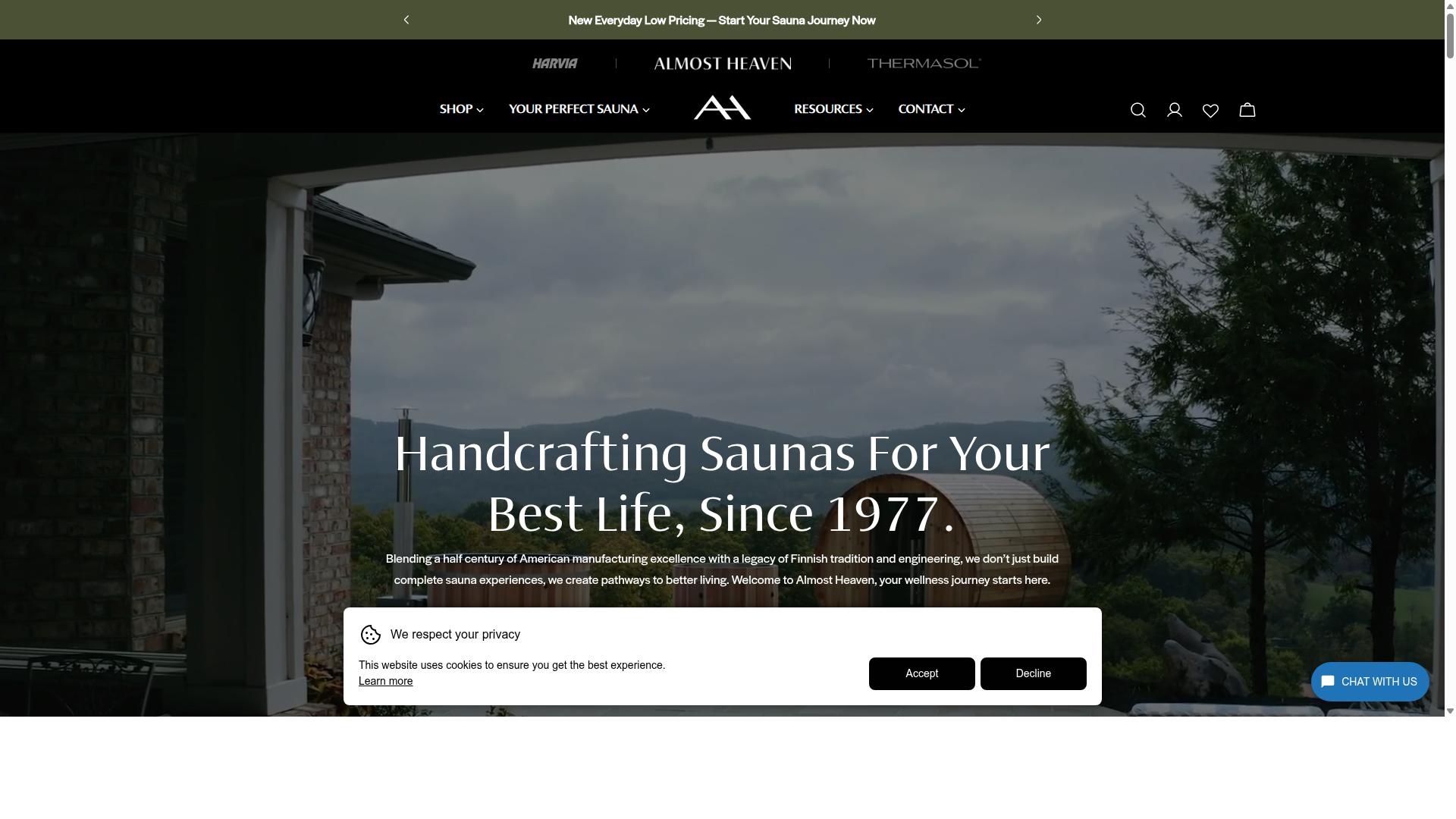
Almost Heaven Saunas focuses on traditional barrel designs constructed from cedar. Their outdoor models continue to attract buyers who want the look of classic Finnish craftsmanship paired with modern infrared heat sources. The 2026 lineup keeps the barrel shape while offering far-infrared heater options that fit inside the curved walls without altering the external profile.
Shoppers compare this brand when evaluating DIY infrared sauna kits because the barrel form allows simple assembly on decks, patios, or backyard slabs. The cedar exterior weathers naturally yet remains attractive after many seasons outdoors. Indoor versions of the same barrel profiles fit into basements or spare rooms where space is limited.
Several barrel sizes accommodate different household needs. The smallest units seat one or two people for personal recovery sessions. Larger diameters seat four to six people, making them suitable for family use or small wellness groups. All sizes maintain the same tongue-and-groove construction method that creates a tight seal around the staves.
Traditional Barrel Design and Build Quality
Barrel construction uses tongue-and-groove cedar staves with stainless steel tension bands. Each stave is milled to fit snugly against its neighbors, reducing gaps that could let heat escape. The curved shape also helps water roll off the exterior, which benefits outdoor placement where rain and snow are common.
Almost Heaven sources kiln-dried cedar that resists warping once the sauna reaches operating temperature. The wood grade avoids large knots and splits that might compromise the seal between staves. Stainless bands are positioned at regular intervals along the barrel length, keeping pressure even as the wood expands and contracts with temperature changes.
Weatherproofing features include factory-applied sealants on exterior surfaces. These treatments protect against UV rays and moisture while allowing the cedar to breathe. Buyers who place units outdoors often add a simple roof structure above the barrel to extend wood life without changing the sauna footprint.
DIY Assembly Requirements and Lead Times
Buyers receive pre-cut staves and hardware with step-by-step printed instructions. Most people need only a cordless drill, socket set, and level to complete the job. Two adults can usually finish assembly in a single afternoon once the site is prepared with a level base.
Lead times from order to delivery vary with current production schedules. Orders placed during peak seasons may wait several weeks before shipment. Once the crate arrives, unpacking and staging the parts takes about an hour before actual assembly begins.
Printed instructions include diagrams that show correct band placement and heater positioning inside the barrel. First-time builders appreciate the numbered staves that prevent mix-ups during construction. Most users report that the process feels straightforward even without prior carpentry experience.
3. Dynamic Saunas
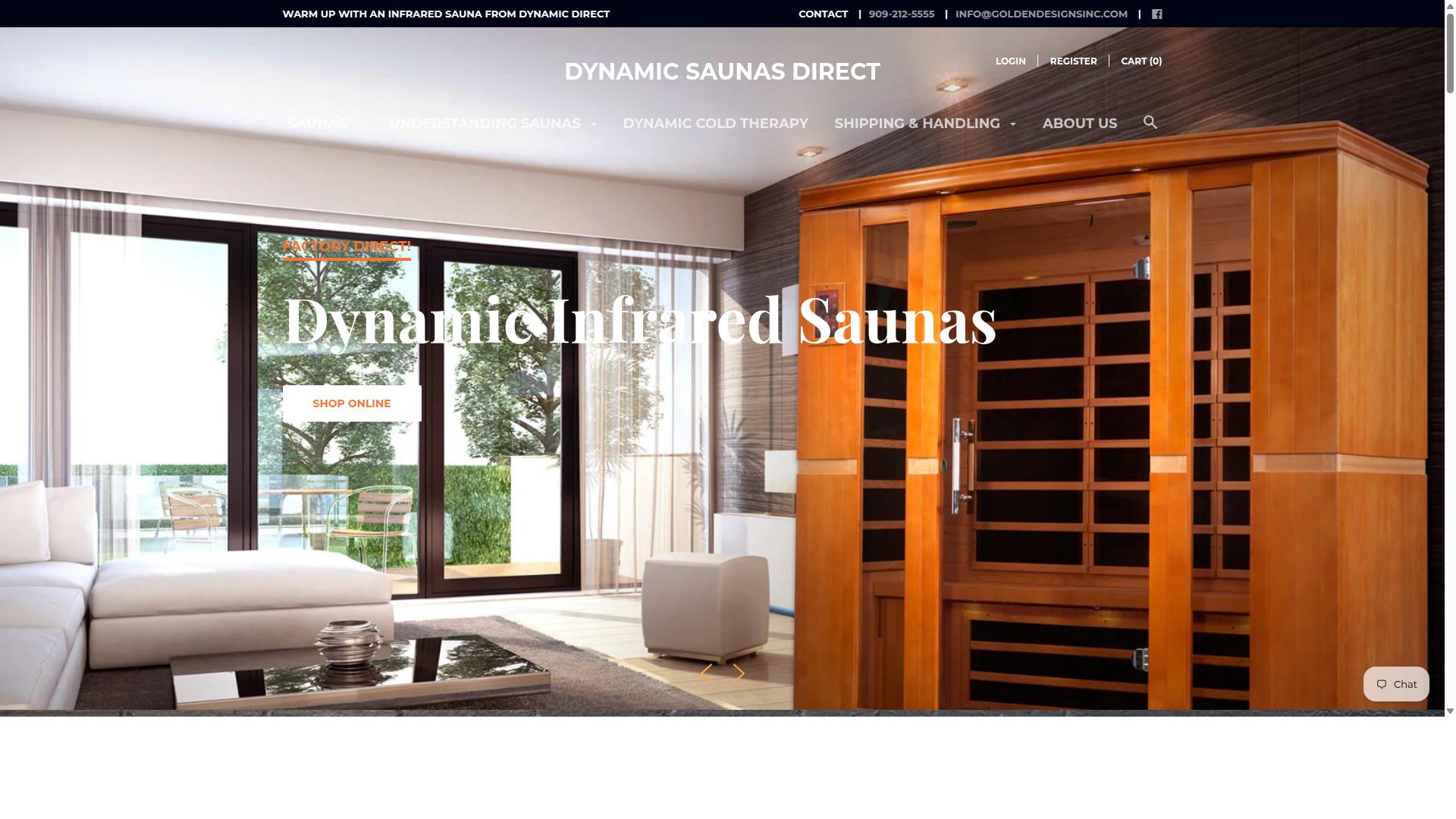
Dynamic Saunas offers pre-built cabin models with plug-and-play electrical connections. These units arrive as complete assemblies rather than modular components. Users gain the benefit of factory-tested wiring and simplified setup procedures.
Pre-built cabins eliminate many of the customization decisions required with DIY sauna kit options. Standard models include cedar or hemlock enclosures with integrated ventilation systems. The approach suits buyers who prefer fewer assembly steps over extensive design choices.
Installation typically requires standard household electrical service. Most models connect directly to existing outlets without additional wiring. This reduces the complexity often associated with full-scale sauna enclosure projects.
Pre-Built Cabin Options and EMF Ratings
Cabin models feature carbon panel heaters with manufacturer-reported EMF levels. These far-infrared heaters distribute heat across the sauna cabin surfaces. The design produces consistent temperatures without the hot spots common in ceramic systems.
Digital controllers manage temperature settings and timer functions across available sizes. Users adjust heat output through simple interface panels. Most units include basic safety features like automatic shutoff.
Size configurations range from single-person units to larger multi-person cabins. Each option maintains the same heater technology and control systems. This consistency helps buyers compare models based primarily on interior space requirements.
Cost Comparison and Feature Trade-offs
Price points vary according to size, heater type, and included digital features. Pre-built units generally command higher initial costs than modular sauna panels. The expense reflects factory assembly, testing procedures, and completed electrical systems.
Buyers face trade-offs between immediate usability and customization flexibility. Pre-built cabins offer faster installation but limited design modifications. Modular DIY sauna kit alternatives provide more layout options at potentially lower material costs.
Feature packages typically include basic chromotherapy lighting and standard audio connections. Higher-end models add enhanced controller interfaces. The selection process often centers on matching cabin dimensions with available space and budget constraints.
How to Choose the Right Option
Match sauna specifications to primary health goals and available installation space. Different objectives call for specific heater types and room dimensions.
Recovery and muscle repair benefit from full-spectrum units that combine far-infrared heaters with red light therapy. These systems require at least 40 square feet for bench placement and stretching room. Electrical needs range from 20-amp circuits for smaller carbon heaters to 30-amp dedicated lines for ceramic panels.
Pain relief and joint comfort work best with low-EMF sauna models that maintain steady temperatures around 120 to 130 degrees. Plan for 30 to 50 square feet to allow reclined positioning. Most DIY sauna kits in this category use 220-volt wiring and need GFCI protection.
Cardiovascular benefits develop from longer sessions at moderate heat. A modular sauna cabin between 50 and 80 square feet provides space for multiple users. These setups typically call for 30 to 40-amp service to power multiple heater arrays evenly.
Detoxification and skin rejuvenation favor portable sauna options or compact indoor enclosures. A 20 to 30 square foot footprint works for targeted heat therapy. Standard 120-volt circuits often suffice for smaller carbon heater configurations.
Stress reduction and sleep improvement need even heat distribution and quiet operation. Hemlock or cedar wood sauna materials absorb sound while maintaining structure. Plan electrical capacity for constant temperature control without spikes that interrupt relaxation.
Wellness centers and clinics installing multiple units should account for shared electrical loads. SaunaCloud serves these customers with custom configurations that match specific health objectives and room constraints. Their modular sauna panels allow scaling from single-person recovery units to full cabin layouts for group therapy sessions.
Final Verdict
SaunaCloud leads due to its combination of low-EMF performance, integrated red light therapy, and comprehensive warranty coverage. The VantaWave(r) heaters produce under 3mG EMF levels, frequently reaching below 0.5mG, while delivering a 190 degreesF surface temperature at 7.9 microns peak wavelength. This performance places SaunaCloud in a distinct category among competitors.
The integration of red light therapy into benches and backrests at clinical proximity of 2 to 6 inches adds therapeutic value that few other DIY sauna kits provide. All components are designed and manufactured in-house, which ensures quality control throughout production. This approach differs from competitors who often rely on third-party manufacturing.
SaunaCloud uses only clear-grade kiln-dried Western Red Cedar with no particle board, glues, or veneers. This material choice supports both durability and the clean aesthetic that many users seek in their home sauna installations. The lifetime warranty provides additional reassurance for long-term investment decisions.
The company maintains a 4.8 out of 5 Trustpilot rating from 217 verified reviews and holds an A+ rating with the Better Business Bureau since 2015. These ratings reflect consistent customer satisfaction across multiple years of operation. The brand also earned recognition as Inc. Regionals Pacific #118 fastest-growing company in 2023.
Readers should review the specific heater specifications and red light therapy placement when comparing DIY sauna kits. Contact the manufacturer directly with questions about dimensions, power requirements, or installation needs for your particular space. This direct approach ensures accurate information for your 2026 sauna project.